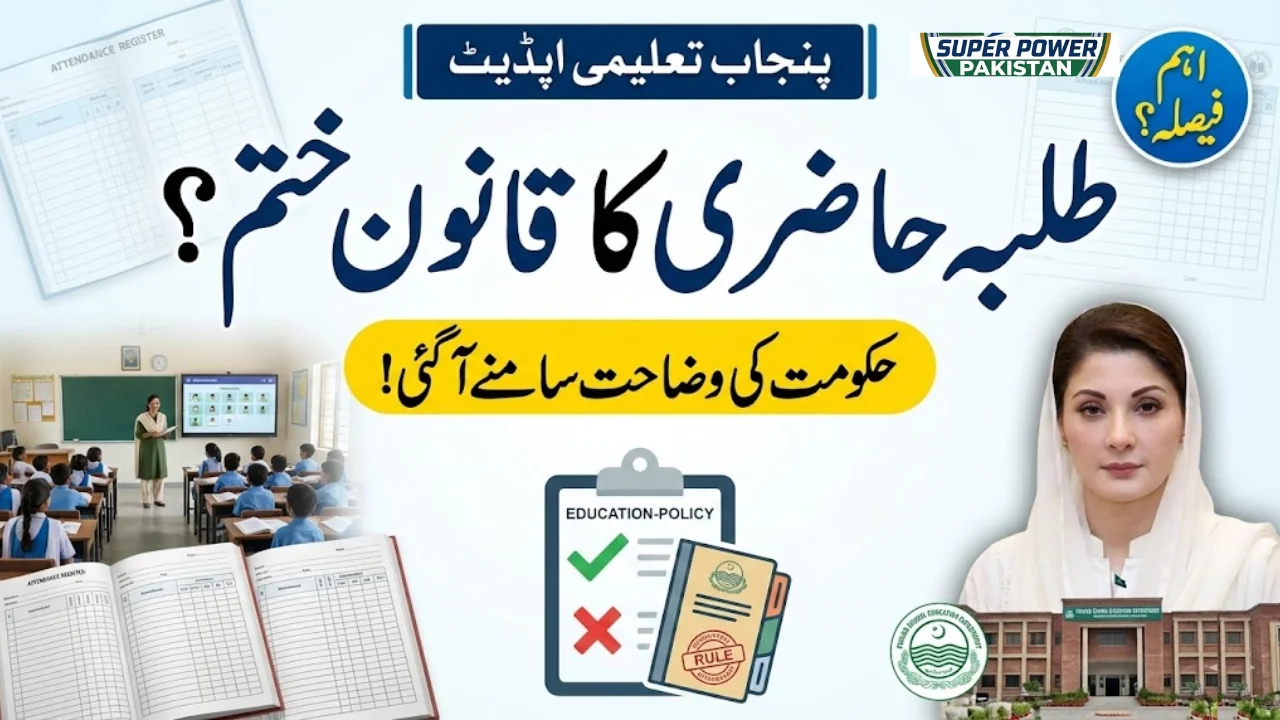
Education quality has once again come under discussion in Punjab after fresh official data revealed a surprising reality inside public schools. While parents expect qualified teachers in classrooms, thousands of government school teachers are serving with only matric-level education. This disclosure has raised serious questions about teaching standards, future reforms, and whether the government will step in to address the issue.
This article explains what the data shows, why it matters, who is affected, and what action may follow.
What the Latest Official Data Reveals
According to recent figures compiled by the Punjab School Education Department, more than 14,000 teachers currently working in public schools have only completed matriculation. These teachers are part of the government education system and are actively teaching at different school levels.
The department has clarified that the data was collected to support policy review and planning, not to target individuals. However, the figures have triggered debate among education experts and parents.
Overall Qualification Breakdown of Punjab Teachers
The same dataset provides a broader picture of teacher qualifications across Punjab.
Key Statistics at a Glance
-
Over 14,000 teachers with matric qualification
-
More than 9,000 teachers holding FA/FSc
-
Around 62,000 teachers with BA or BSc degrees
-
Approximately 40,000 teachers with MPhil degrees
-
Over 200,000 teachers serving with master’s degrees
-
752 teachers holding PhD qualifications
In terms of gender distribution, about 60% of teachers are male, while 40% are female across public schools.
Why Matric-Level Teaching Is Raising Concerns
Education experts argue that matric education alone is not sufficient to meet modern teaching requirements, especially with evolving curricula, digital learning tools, and assessment standards.
Key concerns include:
-
Limited subject depth for higher-grade teaching
-
Difficulty adapting to updated syllabi
-
Weaker student learning outcomes
-
Increased gap between private and public school education
Experts stress that while experience matters, minimum academic standards are essential for consistent education quality.
How Did Matric-Pass Teachers Enter the System
Most matric-pass teachers were recruited many years ago, when qualification requirements were different or when teacher shortages forced relaxations. At that time, formal training and certification systems were not as structured as they are today.
Over time, many such teachers continued in service due to:
-
Job protection policies
-
Lack of compulsory upskilling rules
-
Absence of large-scale qualification audits
As a result, they remain part of the system today.
What the Education Department Says
The School Education Department has stated that the data was collected to help improve education standards, not to punish teachers. Officials emphasize that identifying qualification gaps is the first step toward reform.
According to department sources, the information may be used for:
-
Reviewing recruitment policies
-
Designing teacher training programs
-
Identifying areas needing academic upgrades
-
Supporting future education reforms
No immediate dismissals or removals have been announced so far.
Will the Punjab Government Take Action
At present, no formal policy decision has been announced, but education circles believe action is likely in some form.
Possible steps the government may consider include:
-
Mandatory qualification upgrades through distance education
-
In-service training and certification programs
-
Gradual reassignment of underqualified teachers
-
Revised hiring rules for future recruitments
Any action is expected to balance education quality with job security, making sudden decisions unlikely.
Impact on Students and Parents
For students, especially in rural and under-resourced areas, teacher qualification directly affects learning outcomes. Parents worry that children may fall behind academically when taught by underqualified staff.
Potential long-term effects include:
-
Weak foundational learning
-
Lower exam performance
-
Reduced competitiveness for higher education
-
Increased reliance on private tuition
These concerns are fueling calls for structured reforms rather than silence.
What Education Experts Are Demanding
Education specialists are urging the government to act carefully but decisively.
Their recommendations include:
-
Nationwide teacher qualification audits
-
Clear minimum standards for classroom teaching
-
Funded pathways for teachers to upgrade education
-
Strong monitoring and accountability mechanisms
Experts agree that training and reform, not blame, should be the focus.
Is it illegal for matric-pass teachers to work in schools?
No. Many were hired legally under older policies.
Are these teachers being removed immediately?
No. There is no announcement of removals so far.
Does this affect all Punjab schools?
Yes. The data covers public schools across Punjab.
Will new teachers still be hired with low qualifications?
Unlikely. Current recruitment policies require higher education levels.
Conclusion
The revelation that thousands of matric-pass teachers are still working in Punjab’s public schools has highlighted a long-standing structural issue within the education system. While the data itself does not imply wrongdoing, it clearly signals the need for thoughtful reform.
If handled wisely, this situation can become an opportunity—one that strengthens teacher capacity, improves student outcomes, and restores confidence in public education. The key question now is not whether action is needed, but how soon and how effectively the government responds.