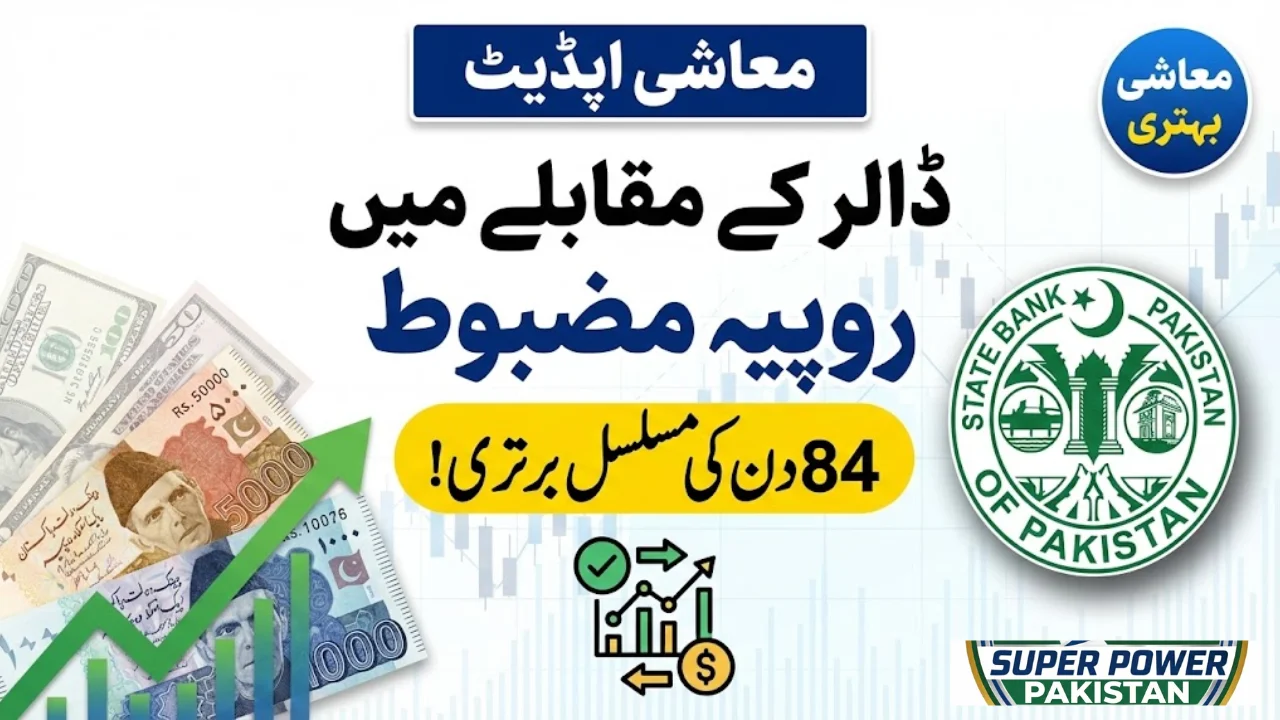
Pakistan is preparing for a quiet but important change in everyday life: the introduction of newly designed currency notes. While this update does not alter the value of money in your pocket, it does change how cash will look, how long it lasts, and how securely it circulates.
For ordinary citizens, shopkeepers, and banks, the key question is simple: what changes, what stays the same, and what do you need to do—if anything—right now?
What Has Been Confirmed So Far
The State Bank of Pakistan has completed the technical groundwork for redesigned currency notes and is moving toward formal approval and rollout. The objective is not replacement overnight, but gradual modernization of Pakistan’s cash system.
This update is part of a long-term monetary reform—not a sudden policy shock.
Why Pakistan Is Updating Its Currency Notes
The decision is driven by practical and security reasons, not economic pressure.
Key motivations include:
-
Rising cases of counterfeit currency
-
Older notes wearing out quickly in daily use
-
Need for modern security features
-
Alignment with international note-printing standards
In short, the aim is safer, longer-lasting money that people can trust.
What Will Be Different in the New Notes
While final visuals are not public yet, the new notes are expected to feature:
-
Enhanced security threads
-
Clearer watermarks
-
Micro-printing and fine detail work
-
Improved paper quality for longer life
-
Updated design elements reflecting national identity
These changes make notes harder to fake and easier to verify for banks and businesses.
Is There a Deadline to Exchange Old Notes?
This is the most important point for the public.
👉 There is no immediate deadline to exchange old currency notes.
-
Existing notes will remain legal tender
-
Old and new notes will circulate together
-
Exchange will be gradual and bank-guided
-
No sudden demonetization is planned
People will have ample time, measured in years—not days or weeks.
How Much Money Do People Get or Lose?
There is no cash gain or loss involved in this change.
-
No bonuses
-
No deductions
-
No compulsory exchange limits
A Rs. 1,000 note remains Rs. 1,000, regardless of design.
The real “benefit” is indirect and long-term.
Practical Benefits for the Public
Although no one receives extra money, the public benefits in other ways:
-
Lower risk of fake notes
-
Fewer disputes in cash transactions
-
Longer-lasting notes that tear less
-
More confidence in large cash dealings
-
Easier detection of counterfeit currency
For shopkeepers and traders, this means fewer losses and safer business.
Impact on Banks, ATMs, and Businesses
Banks will handle the transition quietly:
-
ATMs will be recalibrated over time
-
Cash counters will guide customers
-
Staff will be trained to identify new features
Customers will not need to rush or stand in lines just because of new designs.
What You Should Do Right Now
At this stage, the best action is no action.
-
Continue using cash as normal
-
Do not exchange notes through agents
-
Ignore rumors of “last dates” on social media
-
Wait for official SBP instructions
Any genuine update will come through banks and official channels.
Quick Facts at a Glance
-
New currency notes: Yes
-
Value change: No
-
Old notes banned: No
-
Exchange deadline: Not immediate
-
Public action required now: None
FAQs
Will old Pakistani currency notes become invalid?
No. Old notes will remain valid and usable for a long time.
Is this a demonetization like in some other countries?
No. This is a design and security upgrade, not demonetization.
Do I need to go to the bank to exchange cash now?
No. There is no requirement to exchange notes at this stage.
Will this cause inflation or price changes?
No. Changing note design does not affect prices or money supply.
How will I know when new notes are issued?
Banks and official SBP announcements will inform the public clearly.
Final Perspective
The introduction of new currency notes in Pakistan is a technical upgrade, not a financial disruption. It strengthens trust in cash, protects people from counterfeit losses, and modernizes how money circulates—without putting pressure on citizens.
For now, the smartest approach is simple: stay calm, stay informed, and carry on as usual.